








How Lifelong is building an AI health companion for the whole family.
Lifelong brings wearable data and health records into one shared picture for a family, with an AI health companion, Alo, to help make sense of it.

- Users with a wearable connected
- 87%
- Commit in their repository
- 2nd
- To the first Apple Watch data
- 5 days
- Co-founders building it
- 3
The problem
A family needs to know how someone else is doing.
A parent can say they're fine while their sleep has been poor all week. The person worrying about them has very little to go on.
Context between appointments
Records say what happened at the clinic. Sleep and activity say something about the days around it. Neither is the whole story on its own.
Nobody logs their HRV
You can't ask grandpa to log his HRV. Background sync had to be part of the product from the start, on data Lifelong controls.
The integration
Real data in five days.


- 01
Open Wearables was the second commit
The first commit was the app starter. The second brought Open Wearables into the project.
- 02
Self-hosted in about three days
The foundation went up on their own infrastructure, with credentials kept server-side so families never have to think about any of it.
- 03
Day five: 1,650 steps
The first Apple Watch reading made it all the way into Lifelong, and the team could start building the family experience on real data.
- 04
Reliable background sync
Two weeks in, background sync was working reliably, and Param, a co-founder, took over the health engineering.
In their words
“Open Wearables was our second commit. Five days later, we had real Apple Watch data in Lifelong. It let us start building the family experience instead of rebuilding wearable ingestion.”
The deciding factor
Connecting a wearable should be like signing in.
It should work, then get out of the way. The founders had built wearable infrastructure before and knew how much sits behind a simple connection.
More thorough than their own
The intricacies were handled more thoroughly than what they had tried to build themselves. That rigour made it an easy decision.
Theirs to change
Open source, MIT-licensed and self-hostable, so they move quickly, keep the raw stream on their own infrastructure and fix what real users expose.
Time for what's different
Engineering goes into understanding a family's health over time, not into ingestion. Their own scoring sits beside the data.
The stack
Open Wearables does the thinking, their app does the showing.


The app
Expo and React Native on iOS. The Open Wearables React Native SDK syncs Apple Health data in the background.
A small gateway
Checks who the user is and hands the app its Open Wearables token, so credentials never ship inside the app.
Their own Open Wearables
Self-hosted on Railway: API, workers and scheduler on Postgres and Redis, with their own daily scores and baselines worked out next to the raw data.
The app backend
Convex adds the AI layer and keeps every family member's app up to date, live.
In the app
Health insight, ambiently.
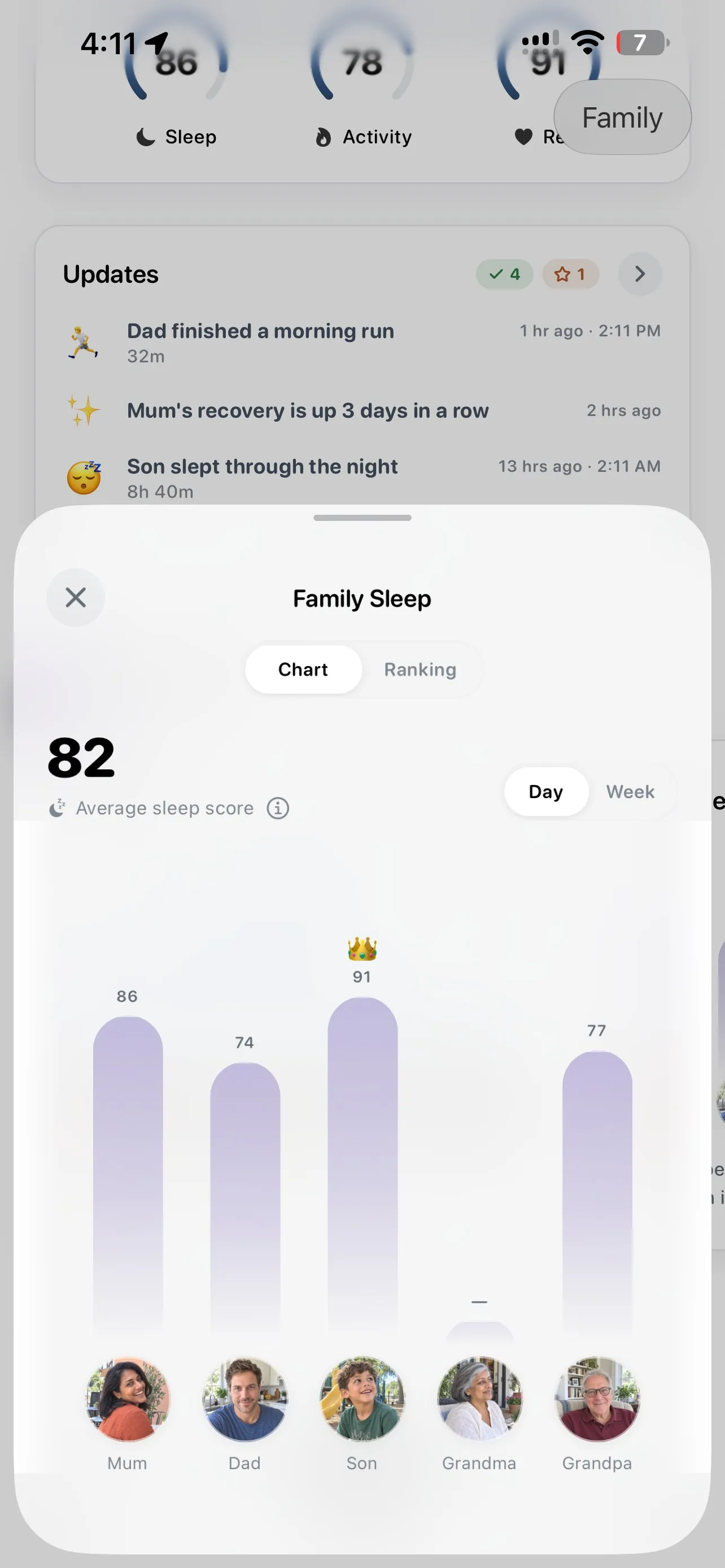
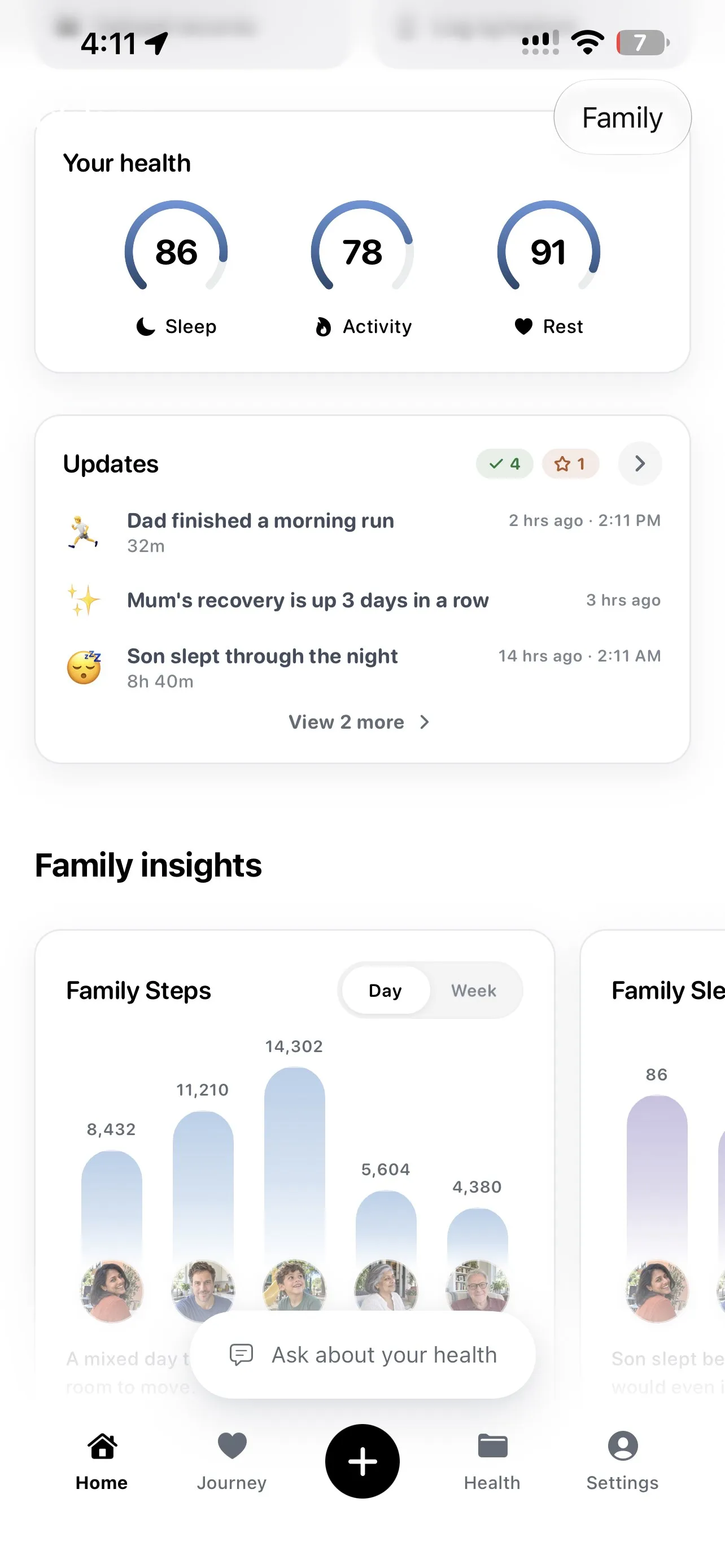
Wearables show how someone slept, moved and recovered, without anyone opening the app to type something in.
Daily scores
Sleep, activity and recovery for each family member, ready when they wake up, set against their own baseline.

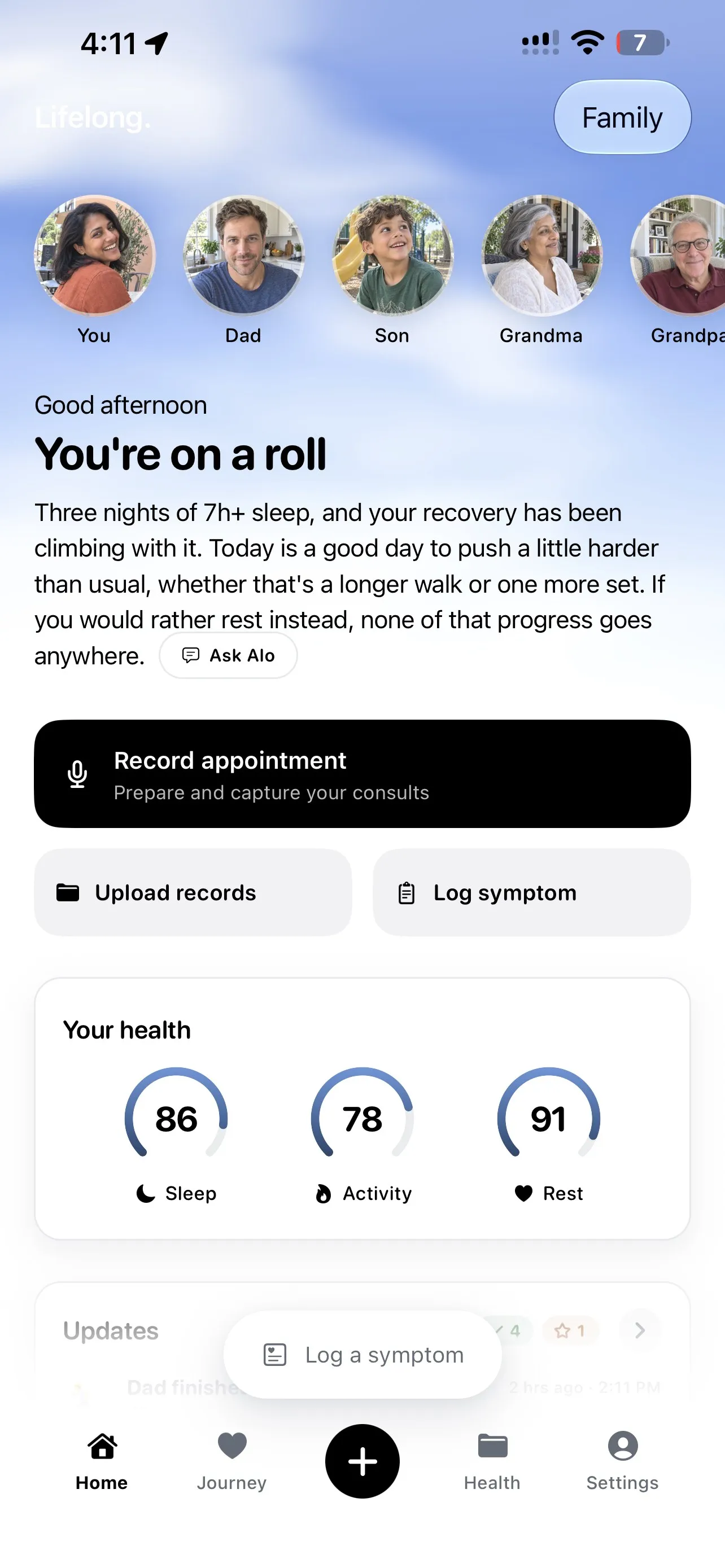
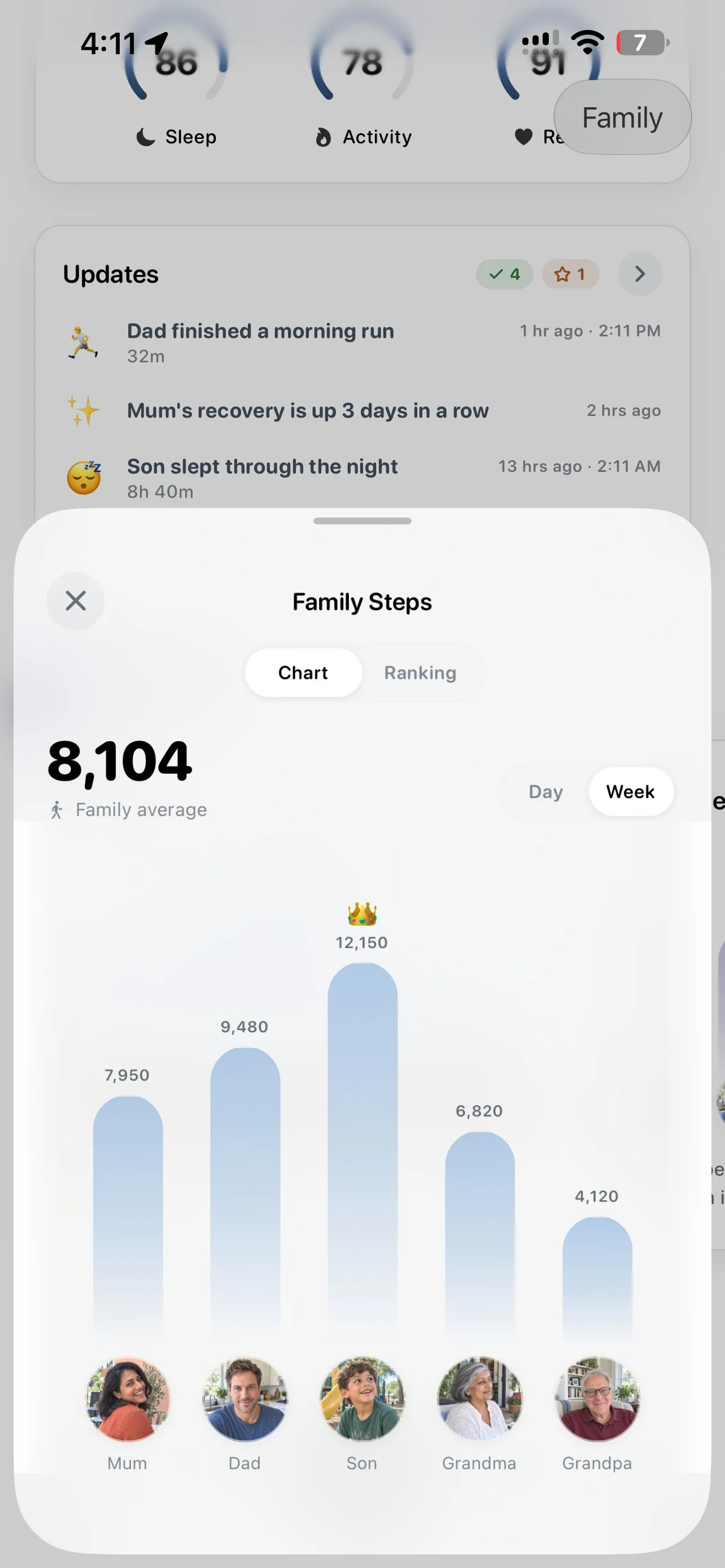
A shared family view
Everyone's steps and sleep side by side, with access chosen by the person sharing their data.

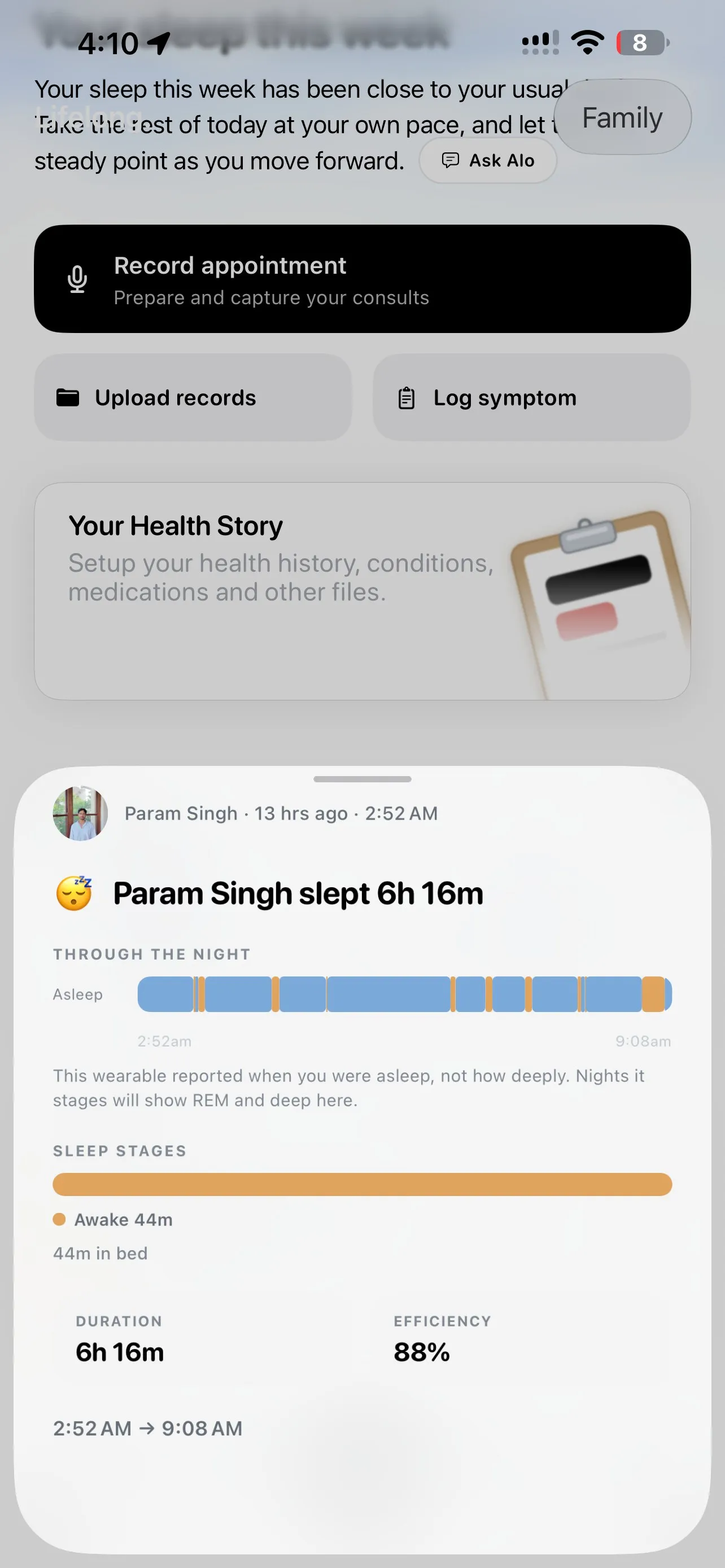
A night, explained
The detail behind a score, so Alo can answer a question like 'how has Mum been sleeping?' from her actual data.

What's next
Where they're taking it.
Separate from what is live today.
Android
A family shouldn't be split by which phone each person owns. Health Connect through Open Wearables is the route they're evaluating.
Direct provider connections
Most data reaches them through Apple Health today. Direct connections could bring richer provider-specific data.
Trends alongside records
Helping a family notice a change in sleep around a medication change, with the context in front of them.
Closer to upstream
Bringing their own scoring back onto mainline Open Wearables without losing what families use today.
The result
What shipped.
Today wearable data supports daily scores, personal baselines, AI-explained alerts, the shared family view and Alo's answers. In the 30 September snapshot, 87% of users had connected a wearable.
What success looks like.
A family understanding a change in wearable scores without spending an evening collecting screenshots to explain it. Not another dashboard for the organised sibling to manage, but some of that person's time back.
Build your product on the data layer, not in it.
Lifelong started from the public repository and runs it on their own infrastructure. Clone it and run it yourself, or see what it costs to have us stand it up inside your account.
FAQ
Questions this raises.
Did Lifelong change Open Wearables itself?
Yes. They keep its code in their monorepo and added their own scoring on top, so each person's daily scores and baseline are worked out next to the raw data. They are assessing how to bring that work back onto mainline.
How do the credentials stay out of the app?
A small gateway of their own checks who the user is and hands the app its Open Wearables token, as the Open Wearables docs recommend. The credentials never ship inside the app.
Is Lifelong on Android?
Not yet. The app is iOS today, and Health Connect through Open Wearables is the route they're evaluating for Android.