









Built with Open Wearables
Teams running Open Wearables in production, each in their own cloud account. Every case study below has their numbers, how long it took and who did the work.
Trusted by


Case studies
How teams shipped it.

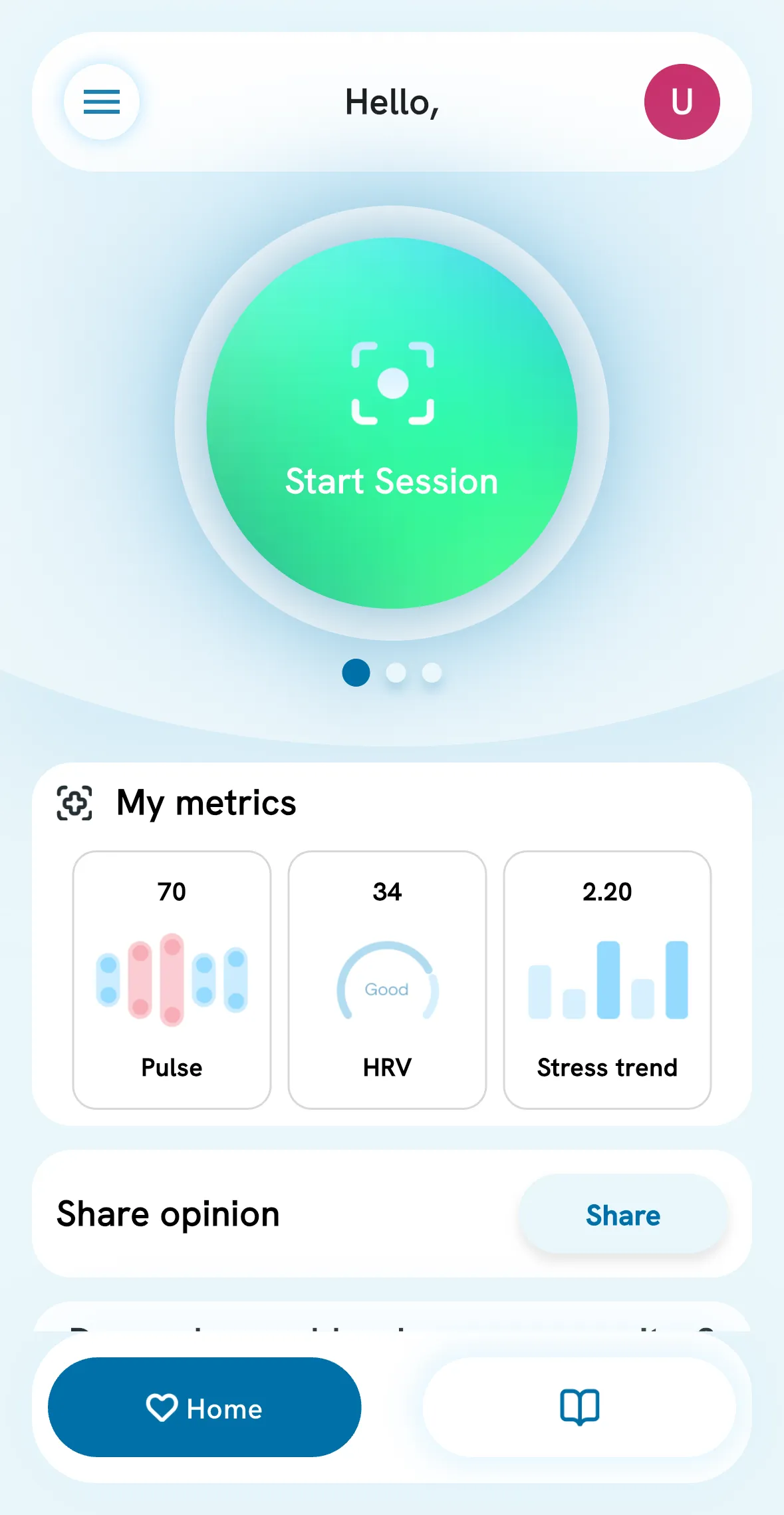
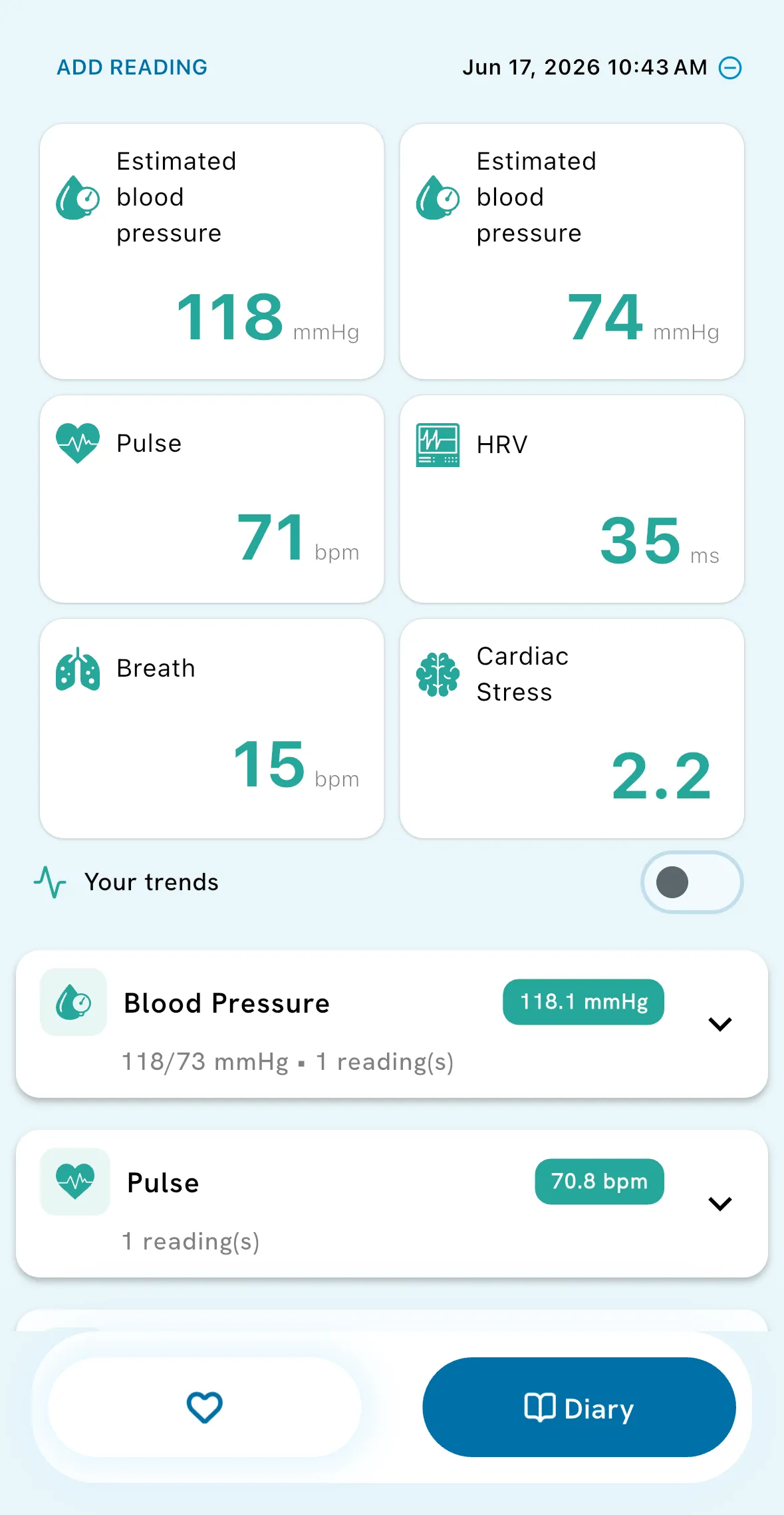
Consumer heart health app
How Heart Monitor shipped wearable integrations in a week
- Active users
- ~90,000
- From SDK to production
- 1 week
- Engineer on the integration
- 1

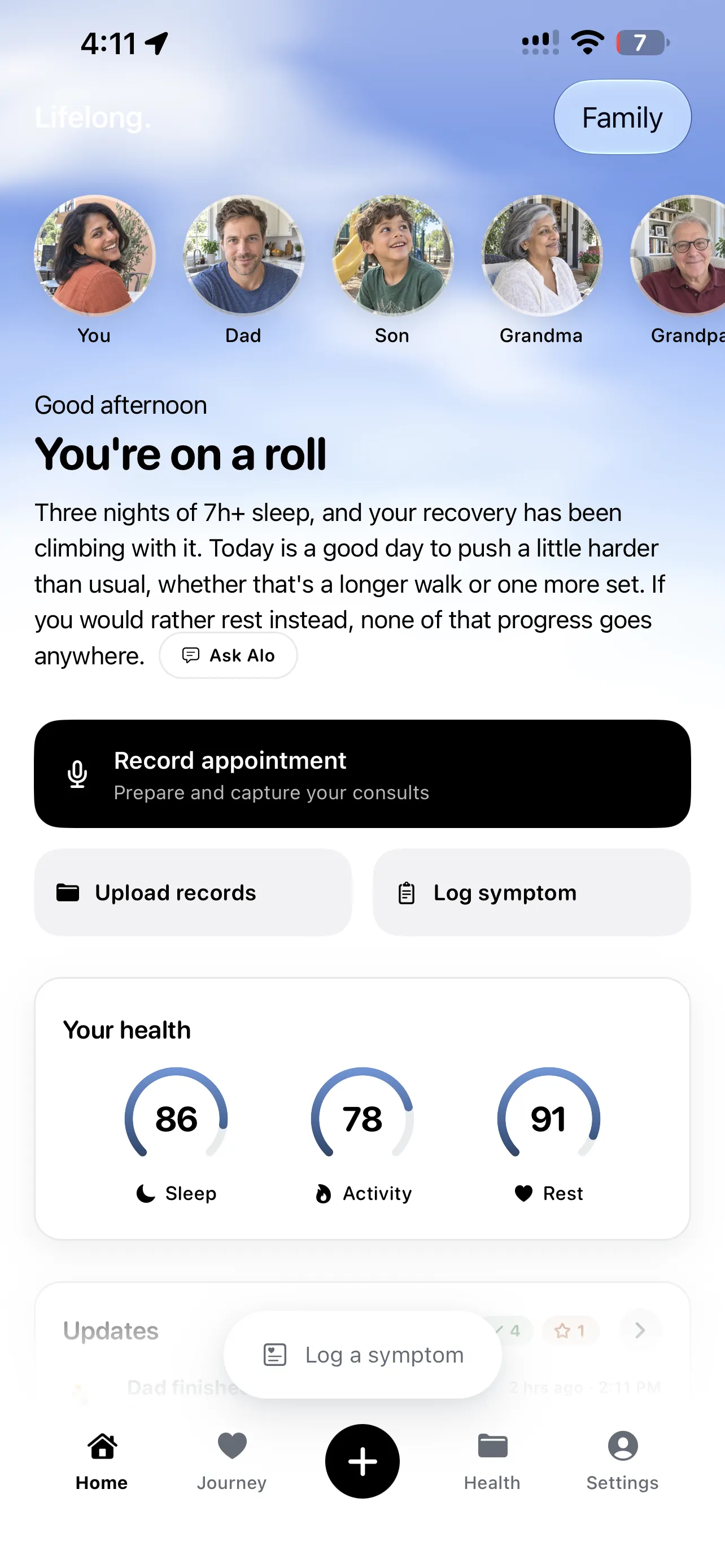
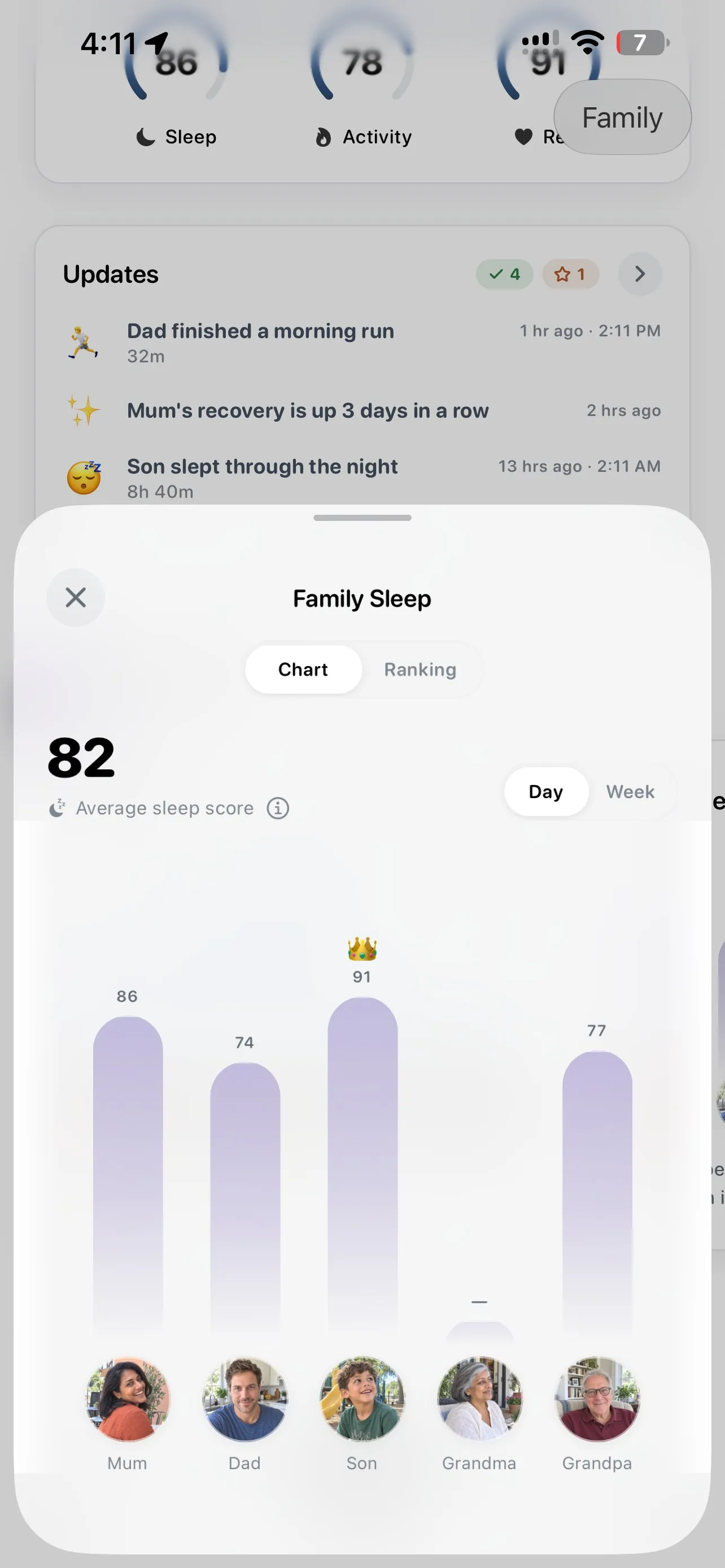
Family health app
How Lifelong is building an AI health companion for the whole family
- Users with a wearable connected
- 87%
- To the first Apple Watch data
- 5 days
- Commit in their repository
- 2nd

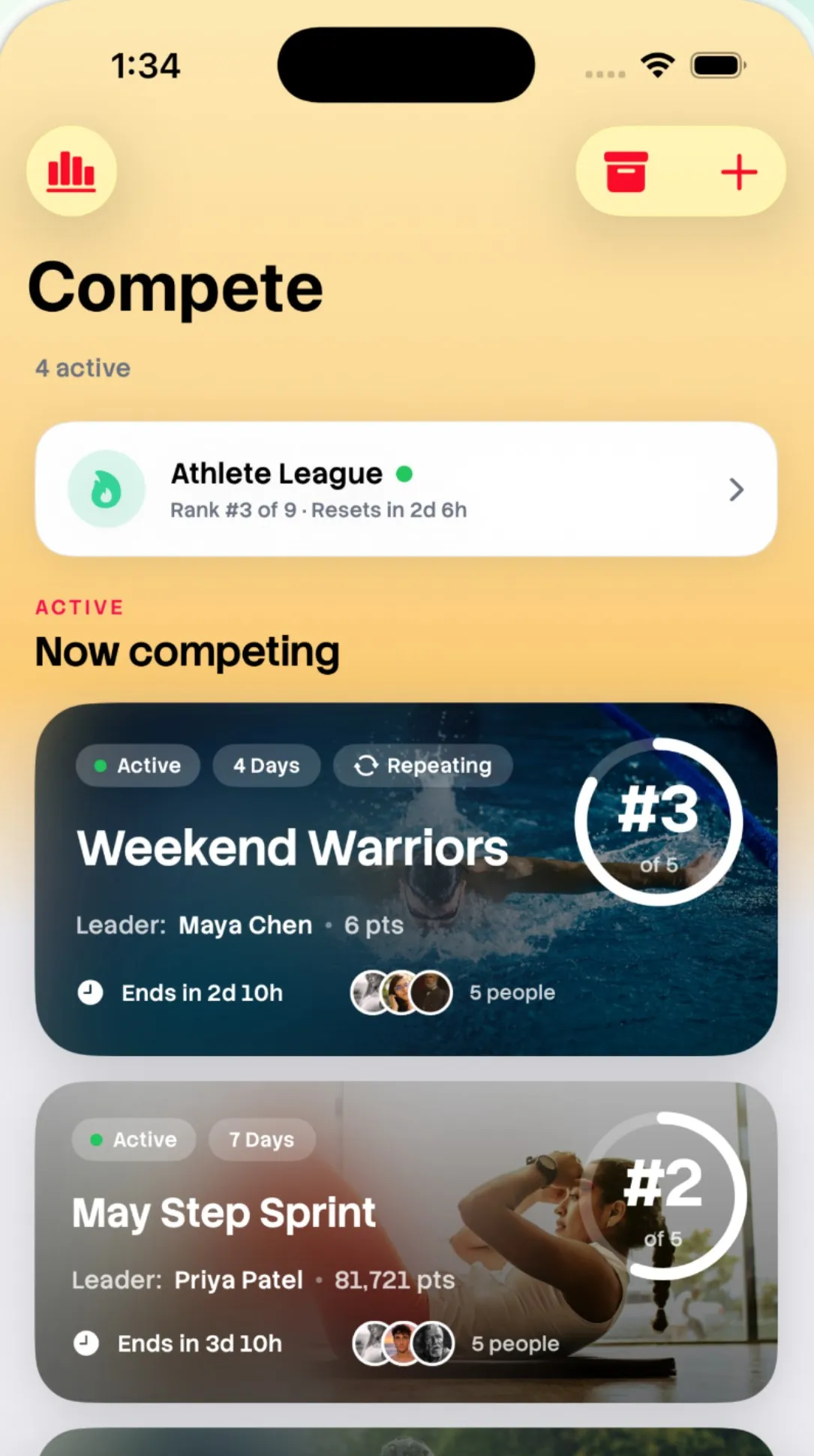
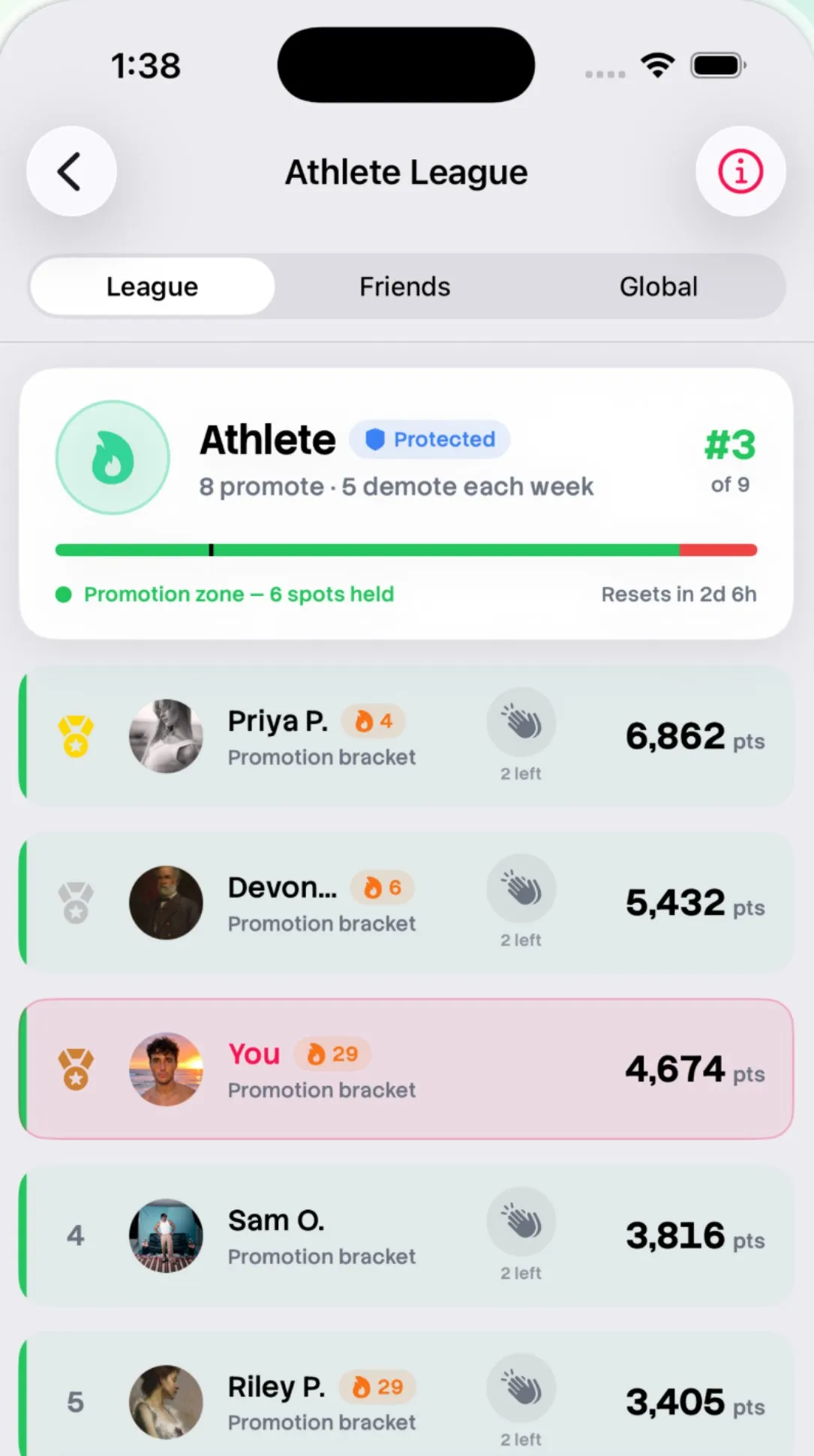
Social fitness app
How MoveTogether runs on one wearable data layer
- Brands connected
- 6
- Integration to maintain
- 1
- Per-vendor OAuth flows built
- 0

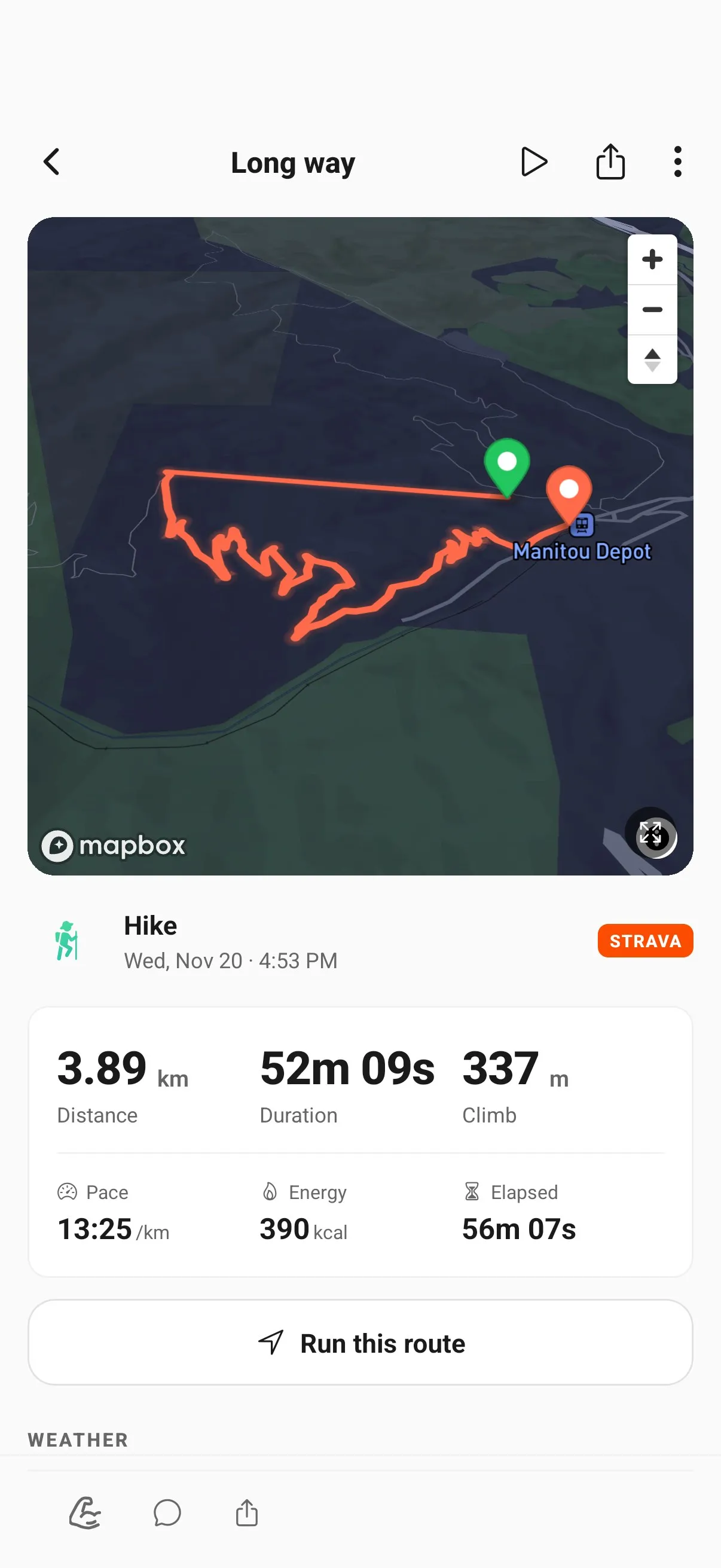
Social workout platform
How JustGains puts every run, ride and rep in one feed
- To Strava in the feed
- 1 day
- Engineer on the integration
- 1
- Countries with members
- 58




In their words
“Open Wearables was our second commit. Five days later, we had real Apple Watch data in Lifelong. It let us start building the family experience instead of rebuilding wearable ingestion.”

Your product could be next.
Every team above runs the same open-source project, in an account they own. Clone it and run it yourself, or see what it costs to have us stand it up inside your account.
FAQ
Common questions.
How many companies run Open Wearables?
We do not know, and that is normal for an MIT licensed project: running it takes nobody's permission and generates no signup. What is public is the repository, where the forks and the contributor list are visible to anyone. A fork is somebody running the code, which makes it a better signal than stars.
Why are there only a few names here?
Because we name a company when they have agreed to it in writing. Plenty of teams are under agreements that say nothing about marketing, and putting somebody's logo on our site is a claim about their business. A name you can check beats a row of logos with no case study behind any of them.
Is it running at real scale, or just in pilots?
Heart Monitor runs it in production at around 90,000 monthly active users. The case study has the detail, including how long the integration took and who did it.
Did these teams stand it up themselves, or did you do it?
Both happen, and each case study says which. Some teams adopt the open-source project and ship it with their own engineers. Others buy a deployment and we stand it up inside their account, usually when there is a launch date. The architecture is the same either way, and so is who owns the account.
We run Open Wearables. Can we be listed?
Yes, and we would like that. There are two levels: a logo here, or a full case study with your own numbers. Both need your written go-ahead, and the case study needs an hour or two of somebody's time. Tell us in Discord or open a discussion.
We would rather not be named. Does that matter?
Not at all, and it is common. If you are running it and would rather stay quiet about your stack, nothing changes for you. It is still useful to us to know what people run in production, because it tells us which providers to prioritise and what belongs in the next release.
Can we talk to one of your adopters before we commit?
Ask us. Whether an introduction is possible depends on them rather than on us, but we will tell you what we can arrange instead of promising a reference call we cannot deliver.